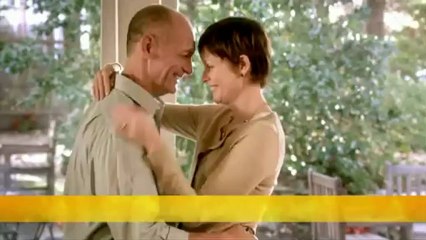
Your first clue that the aging couples in the Cialis commercials aren’t remotely married is how lovingly they look each other in the eye as they cuddle and graciously share their wonderfully active lifestyle.
If ever a married man watching television was made to feel like he doesn’t… measure up, these Hallmark cards of women adoringly snuggling up to their hubbies effectively gets the message across. You want your woman to lovingly adore you again, then you better get it up and keep it up.
But the twist on the game in real life is that may be what the husband wants at that age (and, after all, he’s buying the product), but probably not the wife. The wife wants the snuggling. The man wants to go all night again like he did at 20.
And no, I’m not divulging any personal secrets or issues; I just happen to find these commercials comically amusing as they are endlessly rammed down our gullets during the nightly news like a stiff… shot of non-reality.
 The thing I find most amusing is thinking about the casting and the shooting. I’ve scripted and produced dozens of corporate videos and commercials of happy couples checking in at hotels, eating at restaurants, children bouncing on the hotel beds, etc. I know the drill. And for some reason, you never cast the actual spouses together in a video or commercial, even if both are working actors. It just rarely happens.
For something as… short as a Cialis commercial, the chemistry of the actors working together doesn’t matter as much as how they look together. And it’s very rare that an aging Brad Pitt is married to an aging Angelie Jolie. More often, the actress is married to Wally Shawn or Milton Friedman the banker, broker, real estate developer or plastic surgeon (who else can afford to support her commercial career?), or the really good looking actor guy is either gay or so narcissist that the only one he can truly looking adoringly at, is himself.
So the next time you watch these commercials, appreciate that these two actors have met just prior to the shoot. They are asked to pretend to be long-time marrieds, and they somehow equate this with locking their eyes to one another in adoring gazes, peppered with delightfully light kisses. The kisses are light because you can’t really ask two people who just met before coffee at the craft services table to really go at it jamming their tongues down each other’s throats. Which, for some reason, I would find more believable an action as a real couple about to embark on a Cialis adventure. But it might creep out any Gen X-ers or Y-ers who, by some wild improbability, happen to be tuning into the nightly news instead of the Internet or YouTube.
Since these commercials have no dialogue, I also like to imagine the director behind the camera being able to yell out directions to this stage couple who have been put in the challenge of pretending to be long-marrieds fantasizing about having sex with each other very soon. How can he get the hungry look and effect he really wants?
The first thing he might yell out to the woman, who just slipped her pretend husband’s baseball cap on her own head backwards and has to smile seductively and stare back at him like she wants to gobble him up, is… “He’s NOT your real husband! Go for it!”
 But the real husband is either off camera or will be seeing the commercial a hundred or more times, if he ever watches the news.
So, she never does, ‘go for it.’ That might constitute grounds for divorce.
Instead, she just continues to look adoringly at him. But you can almost feel the distance she is actually so self-consciously projecting and maintaining. It’s a look that says:
“I’ll give you another innocent little peck, stranger, but don’t you dare come near me with a Cialis-fed pecker.”
- A. Wayne Carter


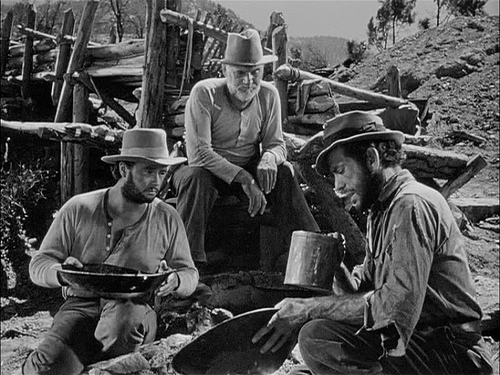 Whenever I hear someone say they can’t watch a black & white movie or television show, I cringe … with pity. No student, lover or fan of cinema ignores the 50 plus years of artistry and lighting evolution that went into perfecting the black & white image on film … before color became the common palette. And all that brilliant contrast of light and dark went the way of that gold dust blowing away into the wind at the end of Treasure of the Sierra Madre.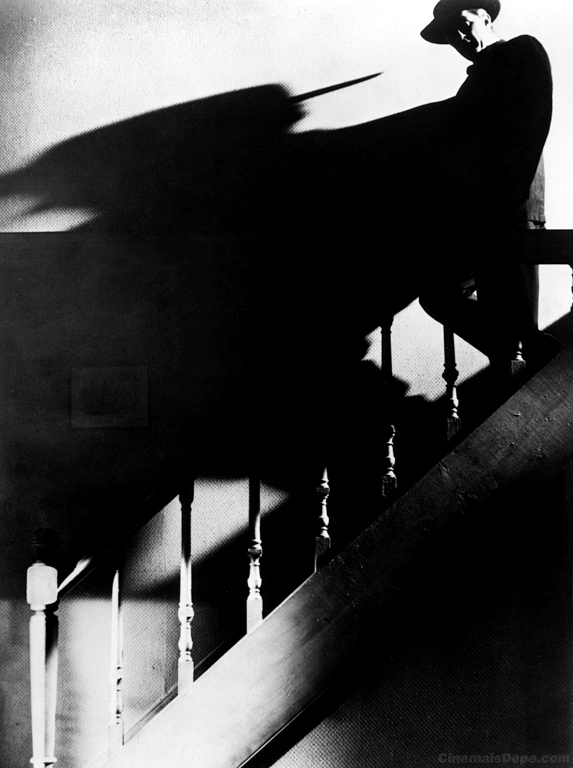

 I went straight to my DVD box collection of the original series and put the episode on to show “The Zanti Misfits” in action. My son took one look at the rather primitive animation of the ants crawling out of their cheap, tin-looking aircraft and immediately scoffed in ridicule, “That’s not scary.”
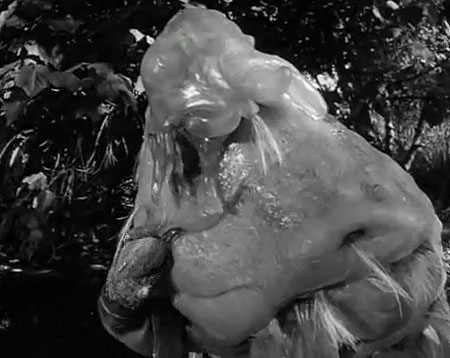 He watched this ‘Jelly Man’ picking up lake scum with its claws and stuffing it in what appeared to be a slit-like mouth. He watched the Jelly Man running through a forest back to a laboratory. He watched the Jelly Man use its claws to attack and kill one of the workers in the laboratory where the creature had first been transported to Earth. And he watched as they eventually captured and sent it back to the planet it came from in the same transporter. And that was it. No major reactions from my son. But somehow he couldn’t take his eyes off of the Jelly Man until he had seen its final moment on screen.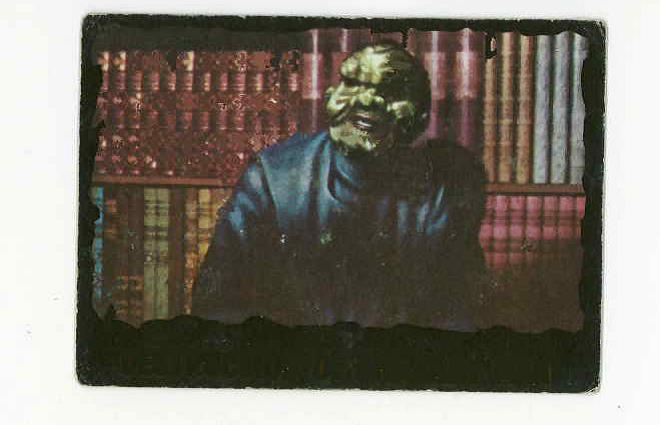

.jpg) So what’s the trend that’s got my wrinkles rankled? It’s overly tight suits with overly short tight pants. And where are we seeing it? Such fashion mavens as Nick Cannon on America’s Got Talent, and Bill Maher on HBO’s Real Time. Are they really fashion mavens? They seem to think so. And what exactly is a maven? A raven with a hair lip?
So what’s the trend that’s got my wrinkles rankled? It’s overly tight suits with overly short tight pants. And where are we seeing it? Such fashion mavens as Nick Cannon on America’s Got Talent, and Bill Maher on HBO’s Real Time. Are they really fashion mavens? They seem to think so. And what exactly is a maven? A raven with a hair lip? We look for any excuse not to face the blank page of oblivion, so a tight collar, scratchy underwear, overly warm sock, and any presence of finger rings or neck jewelry is just going to interfere with the process. Shit, I bet I could feel a year-old tattoo on my skin. Sensitivity is our gig and it’s also our bane. To create characters and invest them with life, we literally, or at least figuratively, have to walk in their shoes.
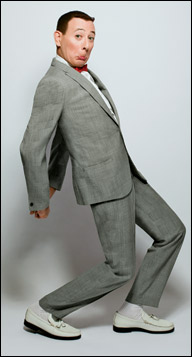 So when I see a Nick Cannon or a Bill Maher walking around in an overly tight suit, colored noose, and clearly uncomfortable tight shoes with scary high lifts, I feel their pain. And I wish they could feel the pain I feel for them.
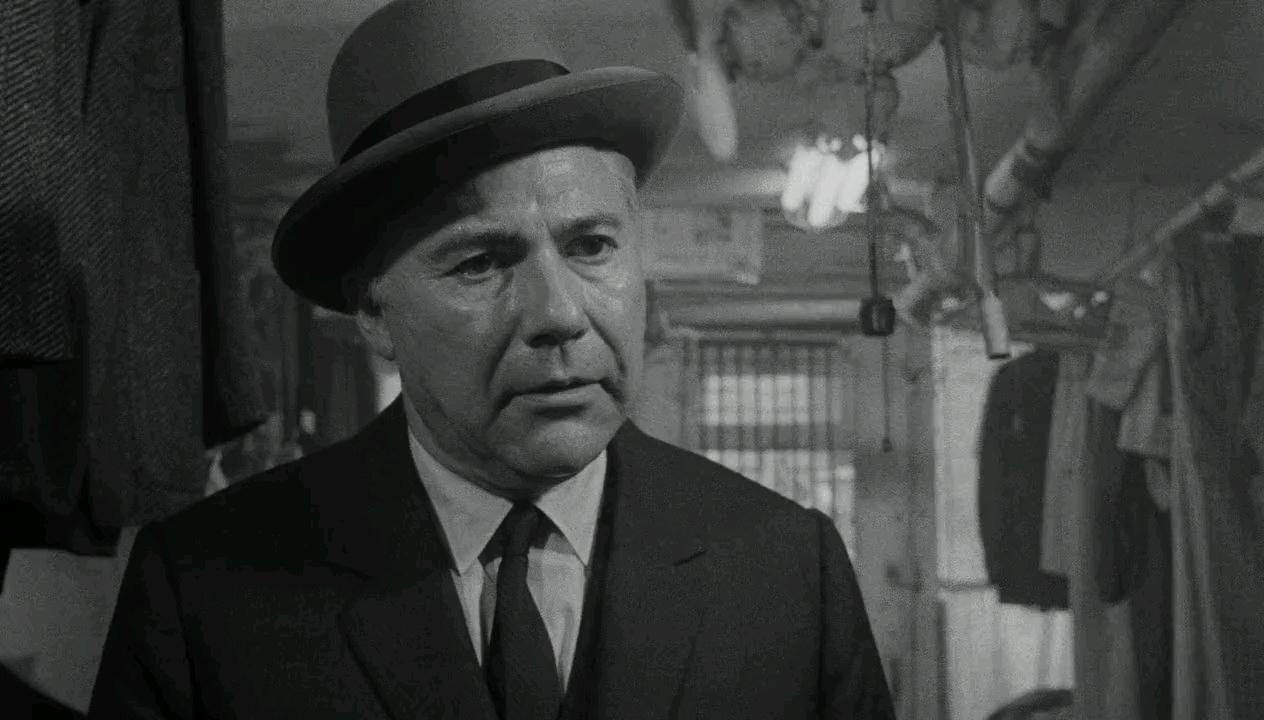 But first, the plot. A bored, middle-aged Wall Street banker, Arthur Hamilton (John Randolph), is slipped a business address on a piece of paper before boarding a commuter train at Penn Station for his Scarsdale home. His job is numbingly dull, his marriage is devoid of any passion, his daughter is gone off on her own life, and his life is… lifeless. A call from someone claiming to be a close friend from the past eggs him on to go to the address, but how does this complete stranger’s voice know so much about him?
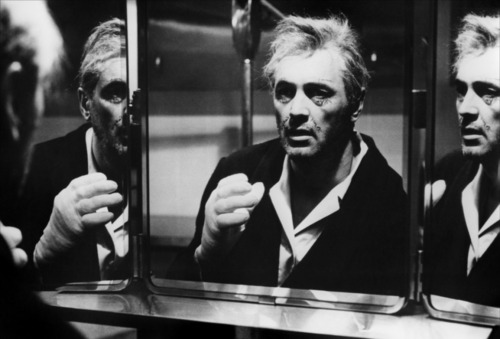 And, just to make sure you keep your mouth shut about a business that requires secrecy (and as a surefire deal closer) they drug you and shoot staged blackmail footage of you in a compromising or criminal situation.
 But, of course, no one changed your brain or your mind or the way you think, and you are haunted by your former life, and these new ‘friends’ seem just as phony as you are, and when you get overly drunk at a party and start blabbing information about your former life, those new ‘friends’ are not so friendly because your loose tongue is jeopardizing all of their ‘second’ chances.
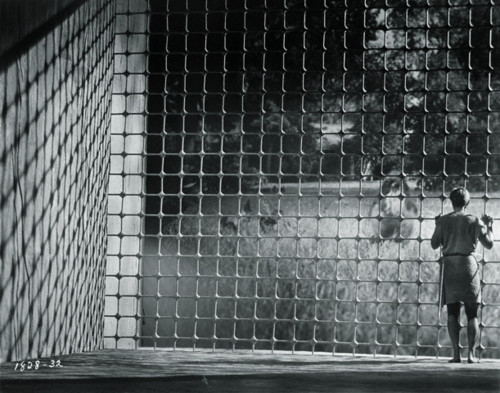
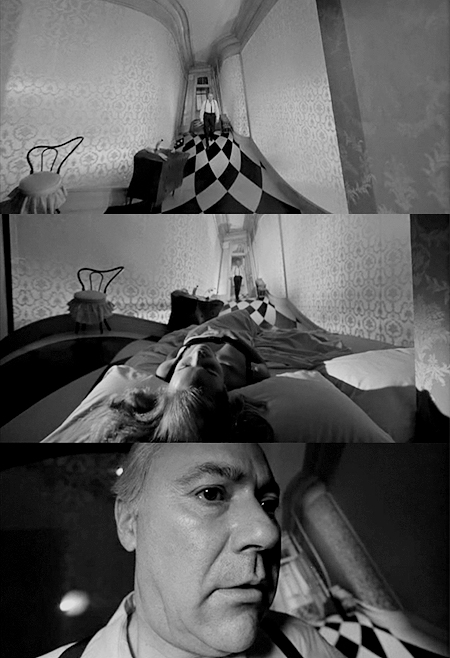 It’s a shockingly powerful and apocryphal tale that completely subverts what so many people bored with their lives think would happen if they had a second chance. The black & white photography, framing and camerawork by Oscar winner James Wong Howe are bizarrely unnerving, and the ending is as disturbing as anything you will ever see in film.
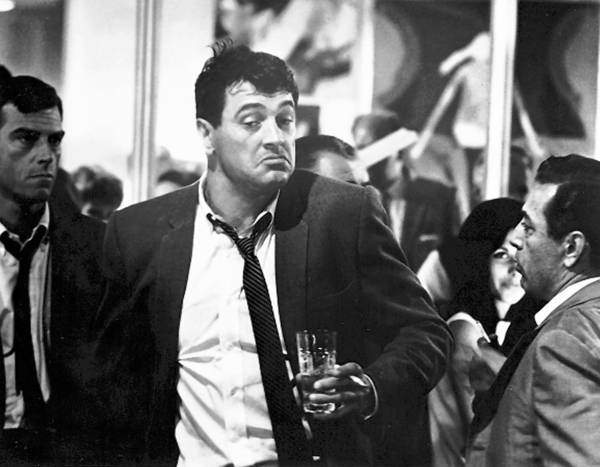 Maybe it’s the ultimate ‘grass is always greener’ story, that is revealed as an inevitable nightmare.
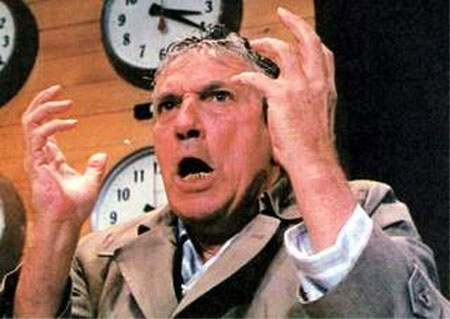 It’s the typically amateurish and overly philosophical tale every first-time screenwriter tries (and as a professor of screenwriting, I read hundreds of them). The speech was almost entirely the thrust of Howard Beale’s “Mad as hell and not going to take it anymore” rant from Paddy Chayefsky’s classic “Network,” though not nearly as beautifully written. It was written a couple years before “Network,” though, and it was inspired by the frustrating horror of “Seconds.”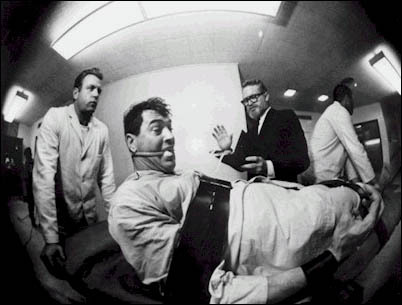
 Remember, there’s only 1 percent in the 1 percent, and even if you consider yourself lucky or privileged enough to fall into that category, there’s always someone within the 1 percent who’s going to be doing better than you are.
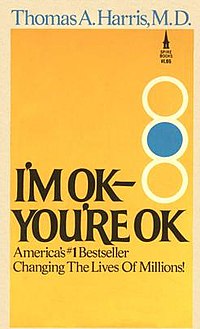 But as long as we measure anything or buy into such comparisons, we put our self-image into play. Dr. Thomas Harris once authored a national bestseller, called, “I’m OK, You’re OK,” yet Facebook fosters a paradigm shift that promotes “Look at how much better I’m doing than you, but I hope you’re still okay with that and will ‘Friend me.’”
 Eventually – and there’s evidence it’s already happening as people drop off or move on – Facebook will fade away and some other new-fangled way to ‘keep in touch’ or ‘connect’ will emerge.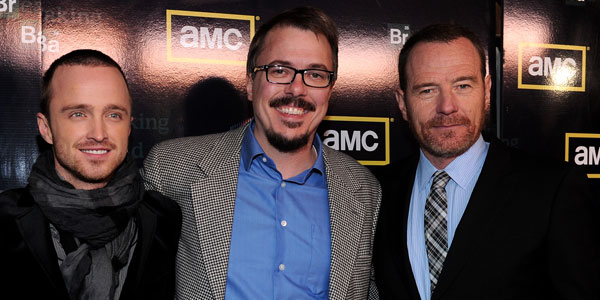
 I don’t really consider myself a procrastinator, at least not for work. Early on during my school years I learned that the sooner you got your work done, the sooner you can play, while all the other kids were waiting until the last minute stressing over their projects. I carried that attitude, for the most part, into my adult working life. But, as the basic dynamics of parenthood would have it, my 16 year-old son is one of those who puts homework assignments and projects and trumpet practice off until the last possible moment before getting around to it. It drives me nuts. But that’s the point, since being a teenager is all about establishing your own identity and driving your parents nuts. And, the process doesn’t seem to stress him out at all. He knows he’ll get to it, and that’s all he needs. You can’t force your will upon a teenager without it biting you back, so if he doesn’t see it as a problem, I will learn to accept that it’s not a problem.
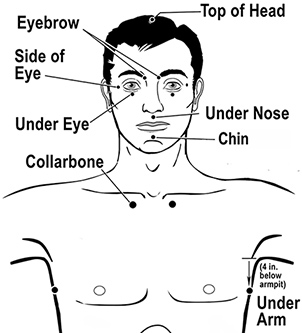 The surprise to me was finding out the technique advocated in the book was Meridian Tapping. I had experienced this form of therapy before during grief counseling after my mother died, but here it was tapping me in the face again in a book on procrastination. Meridian Tapping, for the uninitiated, works on the flow of vital energy, or as the Chinese term it, ‘chi,’ through your body and how to keep it from getting blocked or stagnating. Anyone who practices or believes in yoga, meditation, acupuncture or acupressure should be familiar with the concept. Tapping is a gentle form of acupressure for various meridian points on your face, torso, or head that seek to open up or keep open the flow of that energy while you are also ‘meditating’ or focusing on a desired goal or thought. You are stating the problem and also the emotional state you wish to be in to overcome that problem while you do the tapping. I’ve seen the value of this with the practice of “I Ching,” where you toss coins while focusing on an issue in your life that you want resolution for, and then read a proverb relating to that alignment of coins.
  These techniques are really just forms of forcing you to intensely focus on what you want to resolve, and to apply your own consciousness through these conflict-resolving meditative techniques to bring you a solution. It’s not as far out mystical eastern hooey phooey as you might imagine. And the surest way to test whether something’s whack or not is to at least give it a try.
 The last half hour of this film about a family moving into a ghost house and demon spirits eventually possessing one of the family members tries to take the wacky shit that happens when the priest is reading the bible to a crackhead demon spirit on meth level. Frankly, someone waving a bible and railing gospel quotes at me would probably trigger the same effect. I feel your pain. But I have to give the director credit for trying to amp down the gore and creep an audience out for most of the movie with simple sounds and movements, such as creaking doors, rustling sheets, clapping hands and jiggling closets. When you find out that the director was responsible for that pinnacle of torture porn, Saw, you just have to give him some props, even if they aren’t the ones that slice your own limbs from your body. Someone no doubt exorcised a few of his demons.
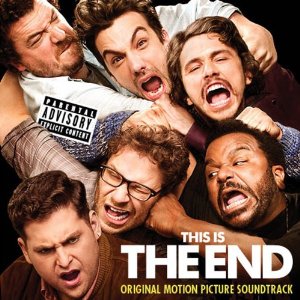 playing themselves hanging out with each other as the rapture and the apocalypse sucks up and destroys everything around them… you realize you just paid for them to hang out, drink, smoke dope and party together at your expense. This realization is only slightly dampened by the fact they portray themselves as self-entitled, narcissistic, clueless douchebags, which may or may not be true (but if that’s where they’re getting their improvisation humor from, it probably must have more than a kernel of truth) who are only left behind from the rapture because they are so uselessly sinful and unworthy. Still, they manage to deliver some of the best laughs of the summer, so maybe we shouldn’t feel so bad about donating at the door to their beer, bong and munchies run.
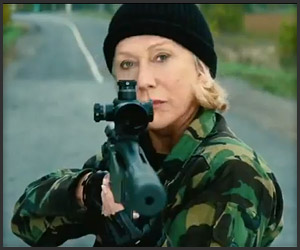 Red 2 might work as a scenic stock shot travelogue of Moscow, Paris, London, and a promotional tool for wasting ammo as much expensive ammo as possible, but you won’t find any real thrills or suspense here other than wondering just how long these aging actors can keep going to the well and collecting a paycheck for the gimmick of seeing over-the-bankable actors play action heroes. Sure, it was a kick watching first class thespians such as Helen Mirren play a cold-blooded, two-handed hit woman, or
 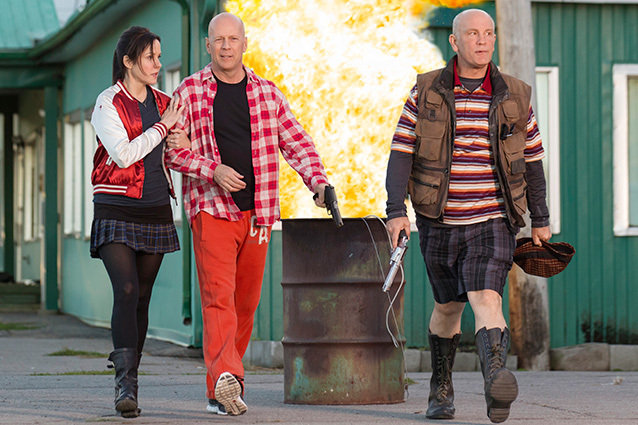 John Malkovich look as dopey as possible in nerd hats, but at the end of the day and the machine gun clip, this barely qualifies as a pre-diabetic sugar rush. Anthony Hopkins has gone from such academy award-nominated performances as in The Remains of the Day, to the Remainders Bin, which is no doubt where this DVD will end up one week after release.
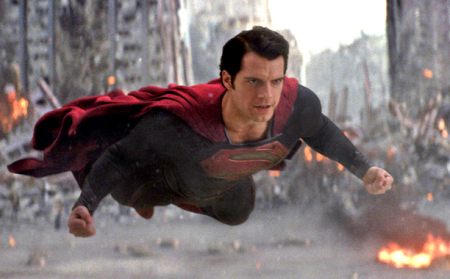 It might as well be a cartoon at this point, for all we care if we’re not invested in the story or characters. And Superman does something he’s never done in 70+ years before – he kills. He snaps Zod’s neck (you’d think throwing him through seven skyscrapers would have done the same trick) to protect a family from being fried by Zod’s laser beam eyes. Nevermind the countless thousands of people who must have died while they were knocking down skyscrapers pummeling each other forever and ever throughout the city. Yawn.
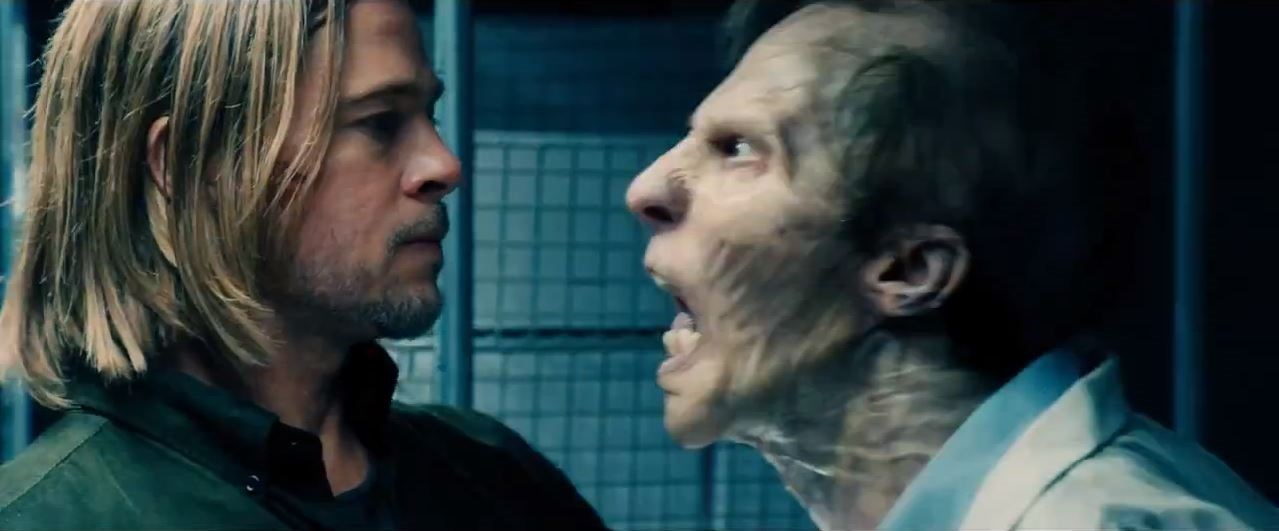 So they brought in a writer from the TV series Lost, and scaled the last act down to Brad Pitt alone in a haunted house – er, I mean a World Health Organization lab - trying to retrieve a possible vaccine amid loitering, teeth-clacking zombies. I hope more films get the message that less can be more when you reduce finales back to human scale, where one person surviving or succeeding just resonates louder than countless CGI humans, buildings or worlds blowing up.
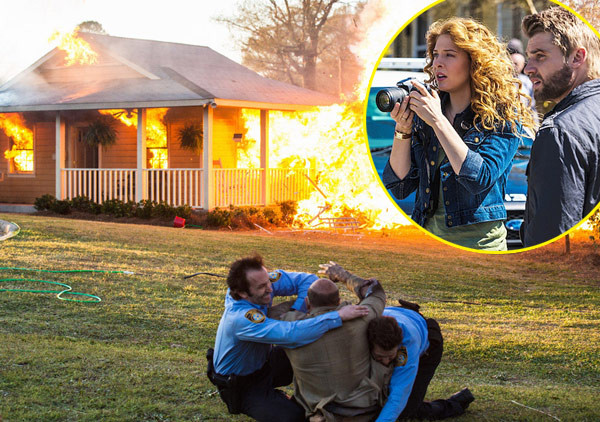 The house on fire is one of those cheesy temporary constructions Hollywood is so notorious for, with obvious gas jets spewing flames conveniently out all windows. But that doesn’t mean the preacher who has been trapped in there has already been asphyxiated and can’t be easily rescued by the woman town deputy. Oh, and the preacher is in some secret scheme with the used car salesman involving propane tanks, which is why he was in the police chief’s house trying to steal evidence after the police chief’s pacemaker exploded and killed him when he touched the dome wall.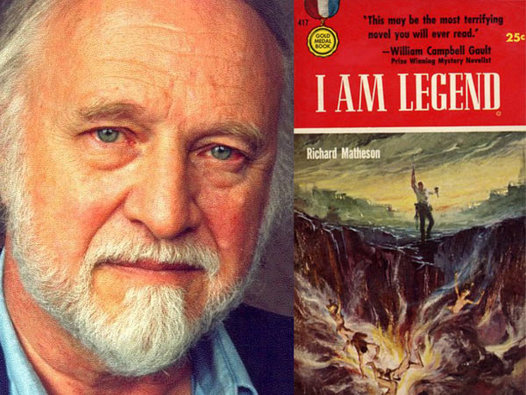
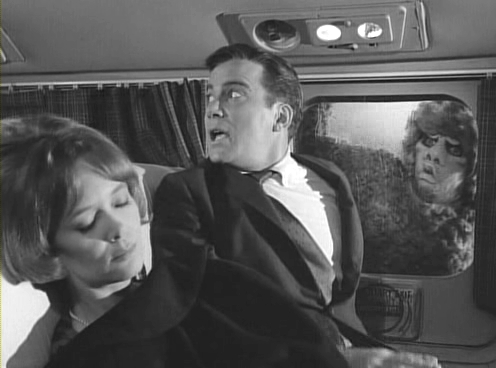 Then there were the infamous “Twilight Zone” episodes. Think of the most memorable ones and chances are some were episodes he wrote, including: “Nightmare at 20,000 Feet,” where William Shatner can’t convince the crew of the passenger plane he’s flying on that a monster gremlin has been peeling back the wing fuselage. Or “Third from the Sun,” where two families desperate to escape a big brother government flee in a rocket targeted for a planet called… Earth. Or
 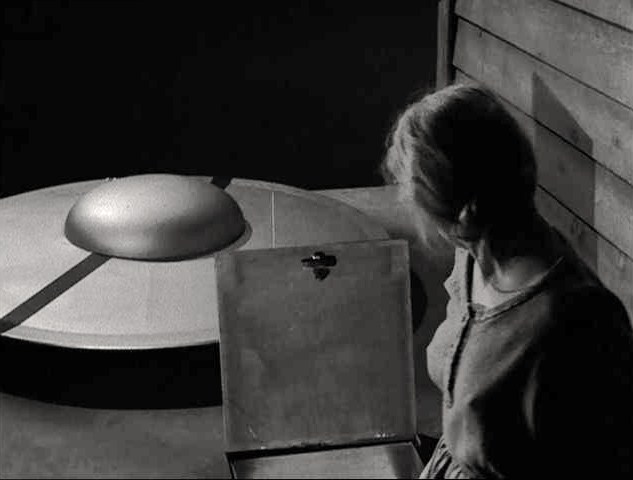 “The Invaders” episode, where a mute farm woman fends off the relentless attack of tiny spacemen with ray guns until she beats them and their spaceship to pulp with an ax and we hear their final distress signal calling… Earth. These perspective-shift stories might seem predictable today, but they weren’t back in the fifties and sixties when writers such as Matheson, Rod Serling and Charles Beaumont invented them.
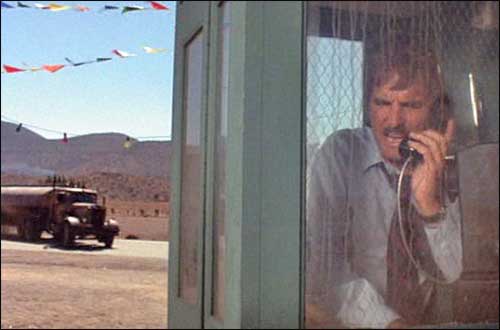 Spielberg even directed a TV movie based on a Playboy magazine story by Matheson called “Duel” about a hapless driver stalked by a maniacal truck driver along barren stretches of desert highway. These were stories derived from our own deepest anxieties and experiences - dangerous truckers on highways, fear of small town speed traps - but played for maximum suspense and unexpected pay offs.
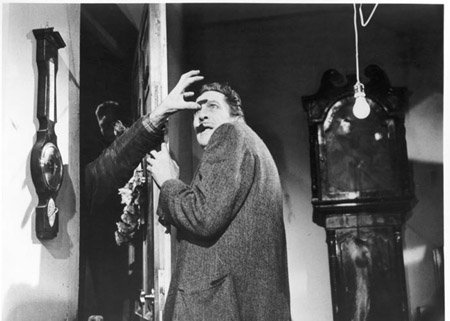 The truest version is 1964’s “The Last Man on Earth” with Vincent Price. It maintains the ultimate creepy quality of the book, where the plague vampires flail with planks beating against your boarded up house all night trying to get in while you hole up listening to classical music on vinyl. That version preserves Matheson’s own devout appreciation and love of a composer’s music (he was a huge fan of Richard Wagner) as something still worth living for in an apocalyptic world.
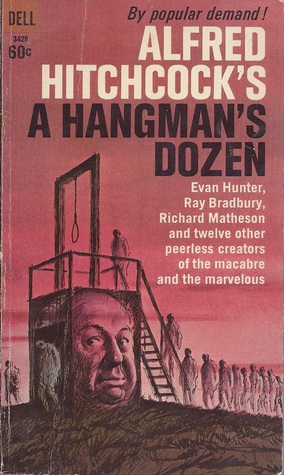 I went to Alfred Hitchcock’s funeral (I first read some of Matheson’s stories in collections published under Hitchcock’s name). I arrived in L.A. too late to meet Rod Serling or attend one of his writing classes before he died. But I haunted the bookstores and studios that housed original copies of Matheson’s books, or that filmed versions such as, “Somewhere in Time,” “What Dreams May Come,” “A Stir of Echoes,” “Hell House,” or “The Incredible Shrinking Man.”